EMPOWER · Harawa, Somali Region · Partner story
In Dharwanaaje, women and girls have a place to meet, learn and support one another—with mentors who understand their everyday concerns.
Adapted from a story published by the International Solidarity Foundation (ISF) on . Original text and photographs: Päivi Arvonen. The experiences described below reflect that reporting period.
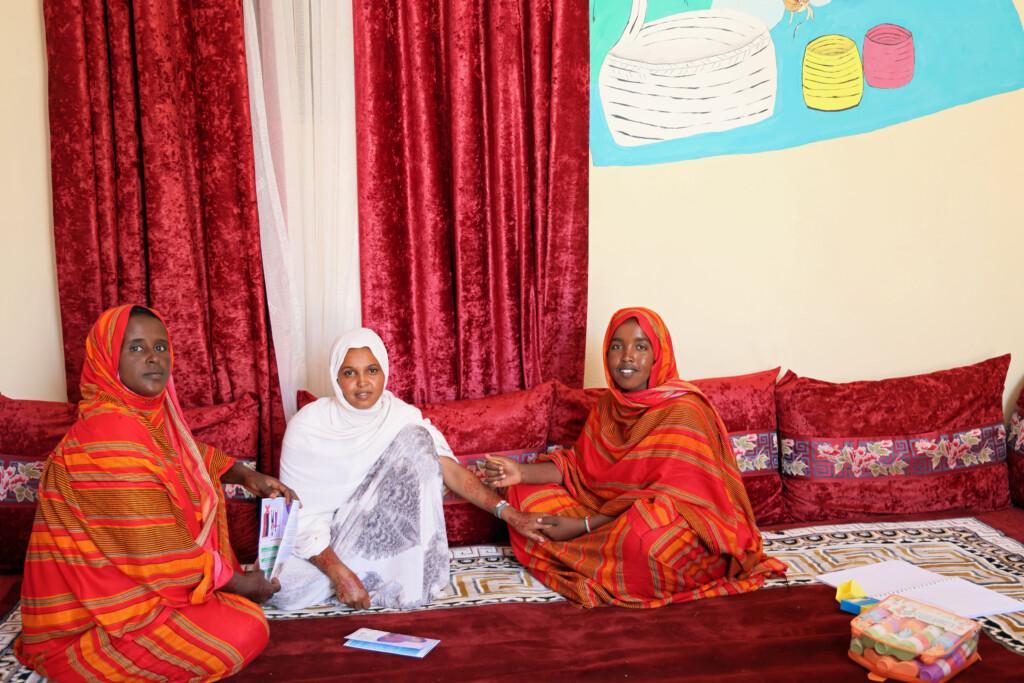
In a small building with a red tin roof in Ethiopia’s Somali Region, women gather on cushions arranged along the walls. Their conversation moves between serious concerns and moments of laughter. The space offers something the women describe as difficult to find: a place of their own.
CAAP—Community in Action Against Poverty—manages the women’s safe space in Dharwanaaje, Harawa, in partnership with ISF. The feature describes a welcoming setting that brings together peer support, opportunities to learn and time for women and girls to spend together.
Women supporting women
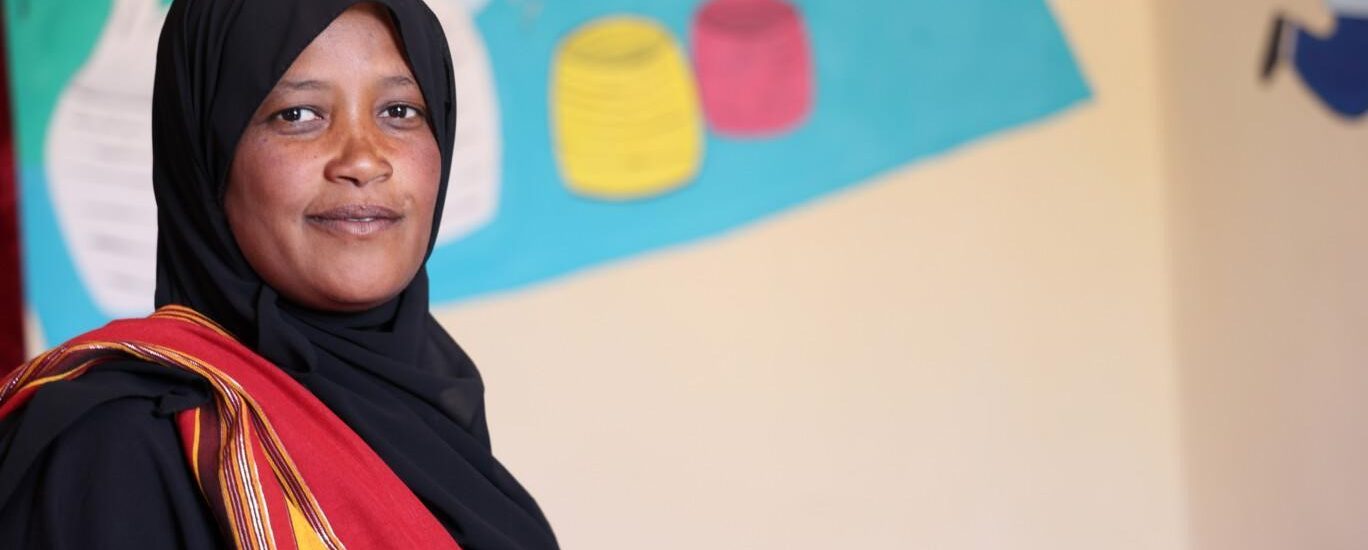
Ubah Abdi, a midwife and volunteer mentor, joined because she wanted to support women and contribute to ending female genital mutilation (FGM). Her professional experience had shown her the harm the practice can cause.
Fellow mentor Halima Ahmed was drawn to the opportunity to offer women a shared space.
“I wanted to volunteer because this house is dedicated solely to women.”
— Halima Ahmed, volunteer mentor
Halima explained that having mentors of different ages matters: women may feel more comfortable discussing personal concerns with someone from their own generation.
Another mentor, Nimco Abdullahi, described the demands many women balance—earning an income, caring for children, collecting water and managing their homes. With so many responsibilities, time for conversation, rest and mutual support can be scarce.
A place to learn and seek support
CAAP staff member Hodan Mahdi, responsible for the safe space’s operations when the story was reported, described a setting where women could participate without needing to bring an immediate problem.
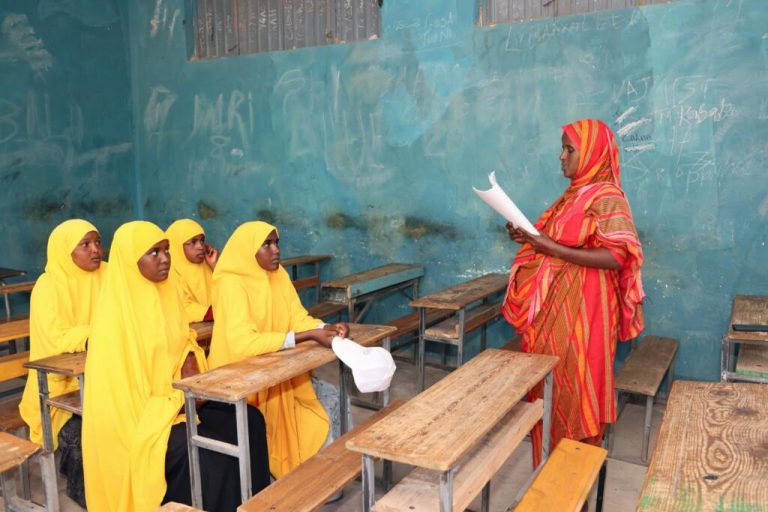
They could talk over coffee, play games or do handicrafts. Learning activities addressed health, mental wellbeing, hygiene, gender-based violence and the prevention of FGM. A mentor or project worker was present, and professional support or referrals could be arranged when needed.
Community councils and home visits helped women learn about the space and what it offered.
Building support beyond the walls
The mentors also discussed early marriage and the way it can interrupt girls’ education. Their reflections show why prevention involves both practical support for women and wider conversations about harmful practices.
Hodan highlighted the importance of engaging men in efforts to end FGM, while keeping this particular space exclusively for women and girls.
The safe space provides daytime activities and support; it is not an overnight shelter. Its purpose is to give women and girls somewhere to connect, access information and seek help—alongside CAAP and ISF’s wider work to prevent violence.