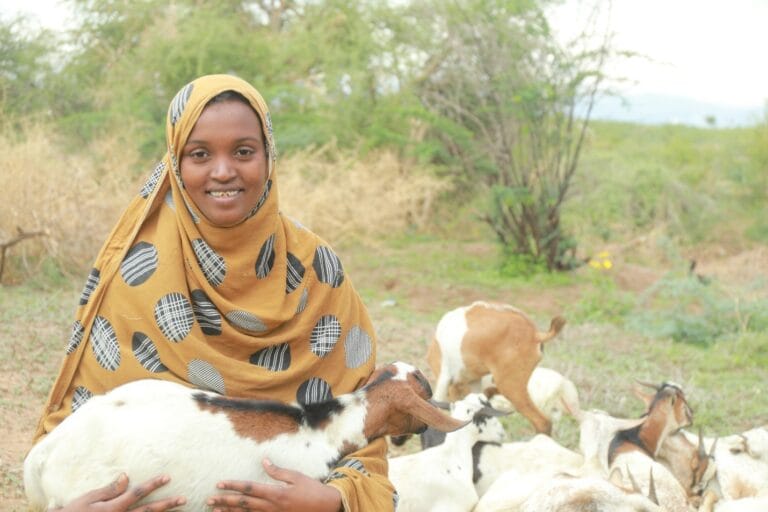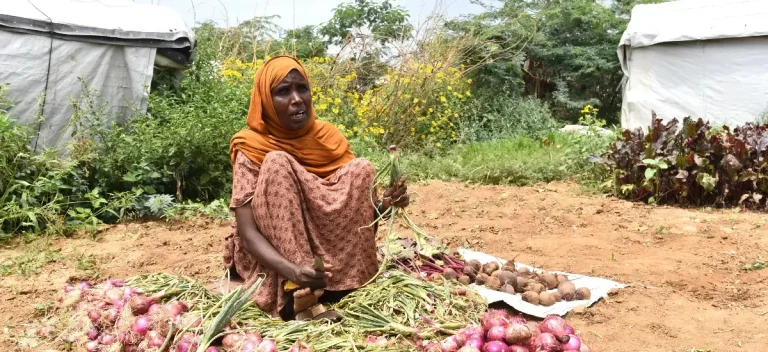

Anisa, 27, is a mother of six, four of them girls, in Gode town. Like many women in her community, she grew up believing female genital mutilation/cutting (FGM/C) was something every girl had to go through. Earlier in 2025, as her daughter’s classmates were being cut, she planned to do the same.
Then she joined neighbourhood dialogues led by trained Ebyan Community Champions. Religious leaders explained that the practice has no basis in Sharia. Health workers described its risks, including complications in childbirth, infection, long-term pain and psychological harm. Other mothers who had already abandoned the practice shared their own experience.
What changed
- Anisa’s daughter was not cut. Anisa stopped preparing for the procedure.
- She became an advocate, encouraging neighbours to seek religious and medical guidance before deciding.
- 3,971 people reached through community dialogue in Gode, in 97 sessions with elders, religious leaders, parents, young people and student teachers.
- 6 public declarations by communities to end FGM/C.
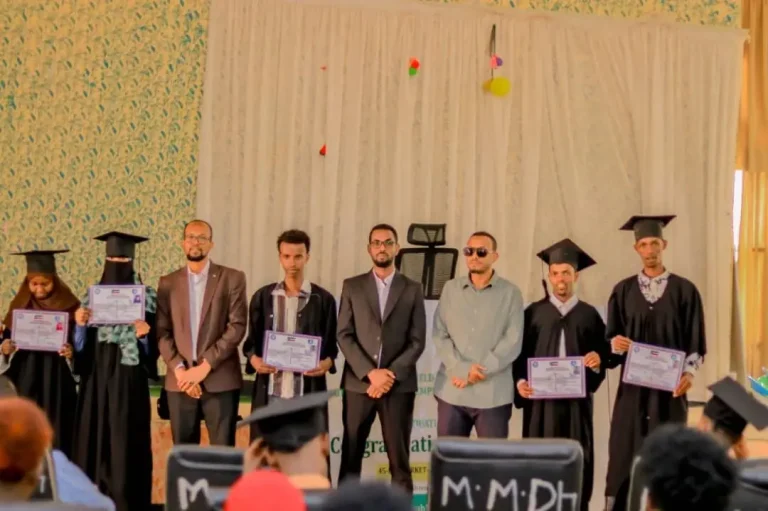
- 15 Ebyan Community Champions (9 women) trained and leading change in their own neighbourhoods.
The Community Champions helped us see that protecting our daughters means rejecting this practice.
Amina, mother of five, Gode
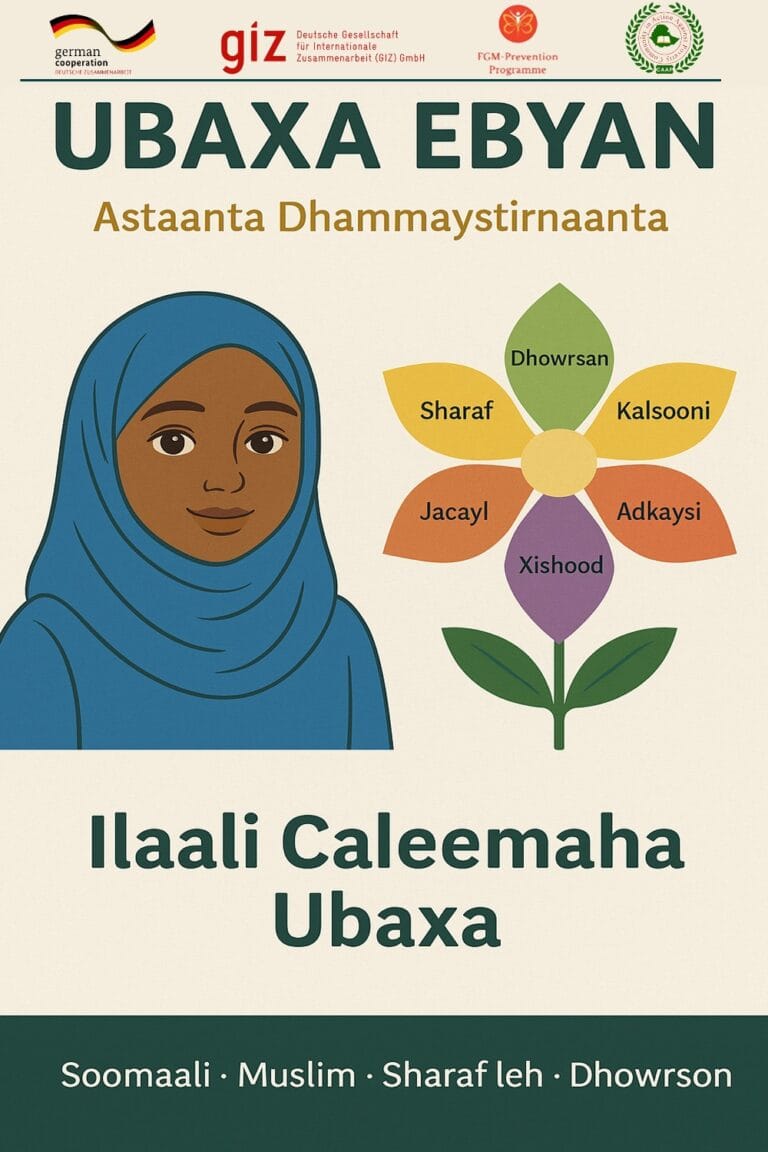
Ebyan means “whole”. The Somali Region has the highest FGM/C prevalence in Ethiopia, and change happens when families, elders and faith leaders decide together. Anisa’s story is part of a growing movement in Gode where faith-based clarity and community dialogue are reshaping social norms.
About the programme
The Ebyan Initiative (June 2025–April 2027) is implemented by CAAP in Gode town under the regional programme “Improving the Prevention of FGM in the Horn of Africa”, commissioned by Germany’s BMZ and implemented by GIZ. GIZ Ethiopia and Djibouti has featured the initiative as an example of communities themselves driving the end of FGM, bringing together women, young people and religious leaders through dialogue sessions, awareness campaigns and community events. It is part of CAAP’s EMPOWER pillar.