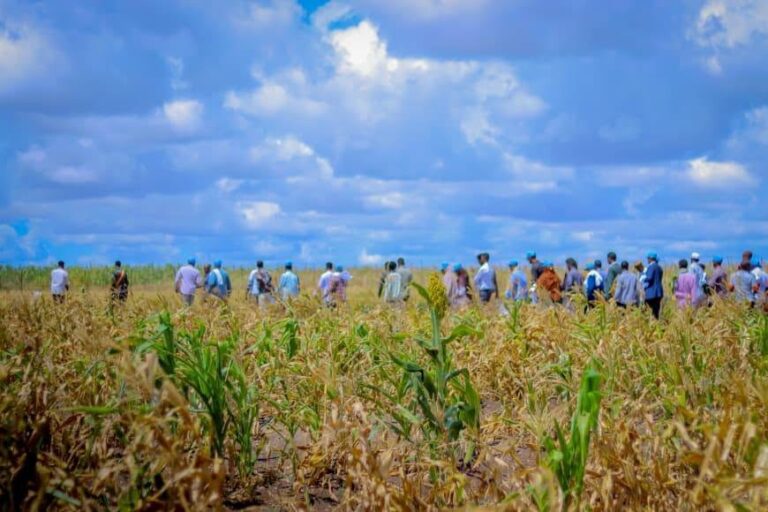
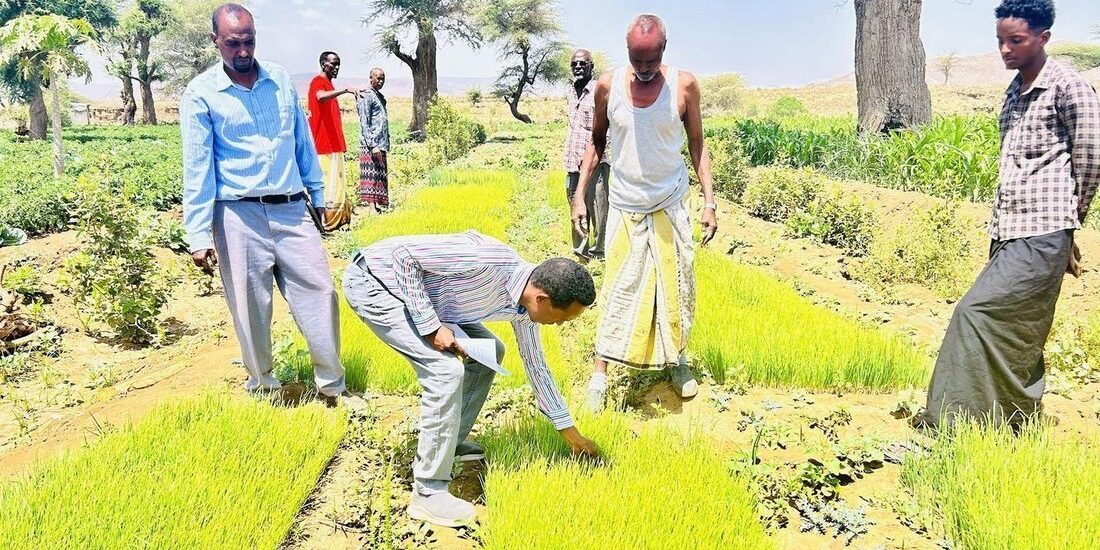
Fifty households in Gaba-Gabo kebele, Tuliguled woreda, turned 5 hectares of dry land into a horticulture enterprise that sold ETB 2.6 million of onions and tomatoes in six months.
“With just 625,000 ETB in RuSACCO credit and continuous field coaching from CAAP, our members transformed five hectares of dry land into a sustainable income engine for 50 households.”Cooperative farm lead, HODAN RuSACCO, Gaba-Gabo kebele
ETB 2.6 million in onion and tomato sales in six months
Before
In the semi-arid farmland of Fafan zone, erratic rain, long dry spells and little access to agricultural finance kept smallholder families in low-yield subsistence farming.
What changed
HODAN RuSACCO, a rural savings and credit cooperative with 50 members (30 men and 20 women), received ETB 625,000 in revolving credit. Members invested together in 5 hectares and planted onions, tomatoes and cabbage.
CAAP’s field team coached the farmers through the season: raised nursery beds, ridges that hold moisture around the roots, rotation of the three crops, organic manure, and staggered harvesting with grading at a shared collection point.
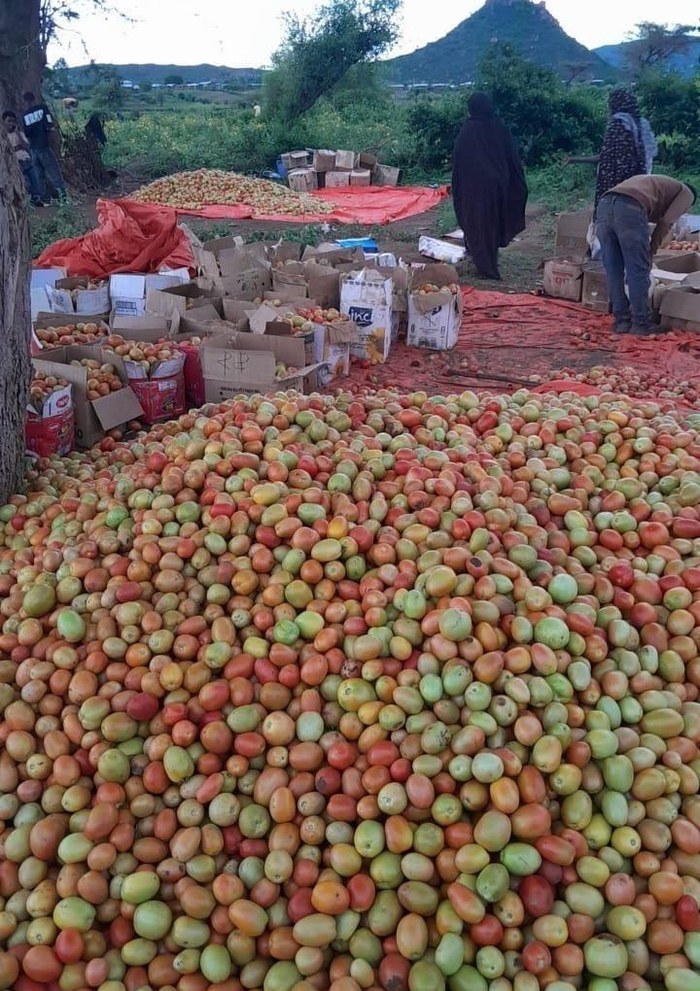
Between 5 January and 7 July 2026 the cooperative sold ETB 1.8 million of onions and ETB 800,000 of tomatoes in Tuliguled and Jigjiga markets. The cabbage fed members’ own families. The farm has employed eight young people from the kebele since January 2026, and loan repayments return to the revolving fund to finance other households.
The wider result
The cooperative’s revolving fund is supported through the Integrated Smallholder Farmers Resilience and Livelihood Support (Integrated SHF RaLS) project in the Jigjiga area, funded by the World Food Programme (WFP) and implemented by CAAP. The project aims to strengthen the resilience, food security, nutrition and livelihoods of 1,200 agro-pastoral households in Awbare, Tuliguled and Haroreys woredas through climate-smart agriculture, market linkages, financial inclusion, natural resource management, nutrition education and livelihood diversification.
Goals we are supporting through this initiative
Sustainable Development Goals
SDG 1 – No poverty · SDG 2 – Zero hunger · SDG 8 – Decent work and economic growth · SDG 13 – Climate action
CAAP pillar
Partner
Somali Region Multi-Year Resilience Strategy (MYRS), 2023–2028
Livelihood diversification · Climate adaptation
Ethiopia Ten-Year Development Plan (2021–2030)
Climate-resilient green economy · Job creation
More stories: A small loan in Harshin · Six woredas · All stories of change