
Fafan zone – somali Region – Ethiopia
Program Goal
To enable 1,050 vulnerable, underserved young men and women in Harawa Woreda to access dignified and fulfilling work opportunities by October 30, 2026.
The Challenge
Harawa District faces persistent socio-economic barriers that limit the potential of its growing youth population. Climate shocks continue to reduce agricultural productivity, disrupt value chains, constrain income-generating opportunities for rural youth, and undermine household resilience.
Many youths lack market-relevant skills, financial inclusion, mentorship, and entry points into agriculture, livestock, and micro-business value chains. These challenges prevent them from accessing dignified, sustainable work and exacerbate vulnerabilities across households and communities. Gender norms further restrict women’s participation in economic activities.
Why YIELD
A targeted youth employment program is urgently required to equip youth with market-driven skills, financial literacy, Start-up and enterprise support. Strengthening youth productivity across agriculture, small businesses, and livestock value chains is essential to reducing unemployment, improving resilience, and expanding gender-inclusive economic participation.
The YIELD Program addresses these barriers by providing inclusive, climate-smart, market-driven pathways to dignified employment for 1,050 youth. The program equips youth with skills, start-up support, and enterprise development opportunities in agriculture, livestock, and small businesses. It strengthens human, social, financial, and physical capital through: Vocational and business skills development; Mindset transformation and soft skills; Access to inputs, tools, and entrepreneurship support; and financial literacy, mentorship, and market and financial institution linkages. The program aligns with the Young Africa Works Strategy, the national Plan of Action for Job Creation, and the Somali Region Development Plan.
Implementation Approach
The program will achieve the above through the following three interventions.
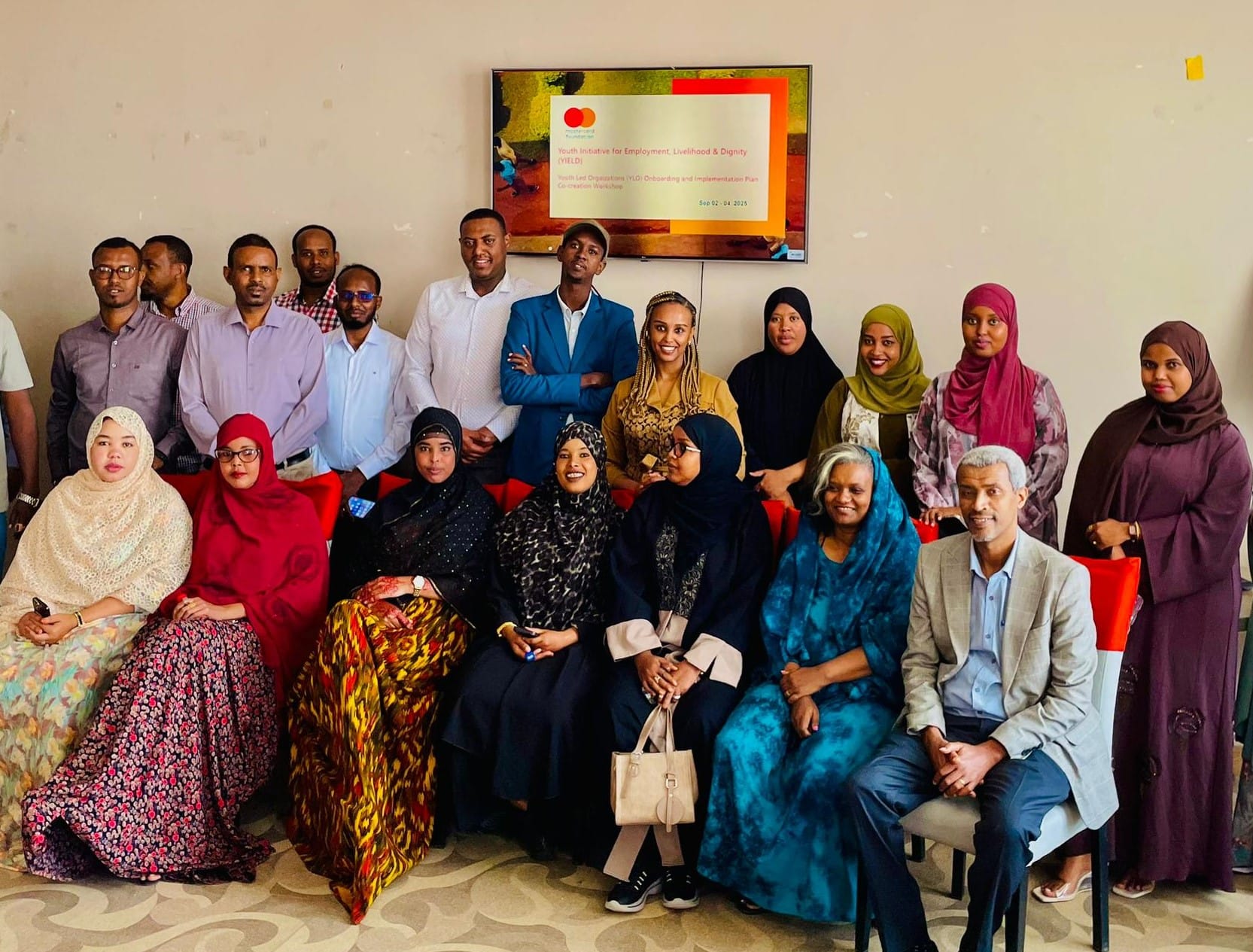
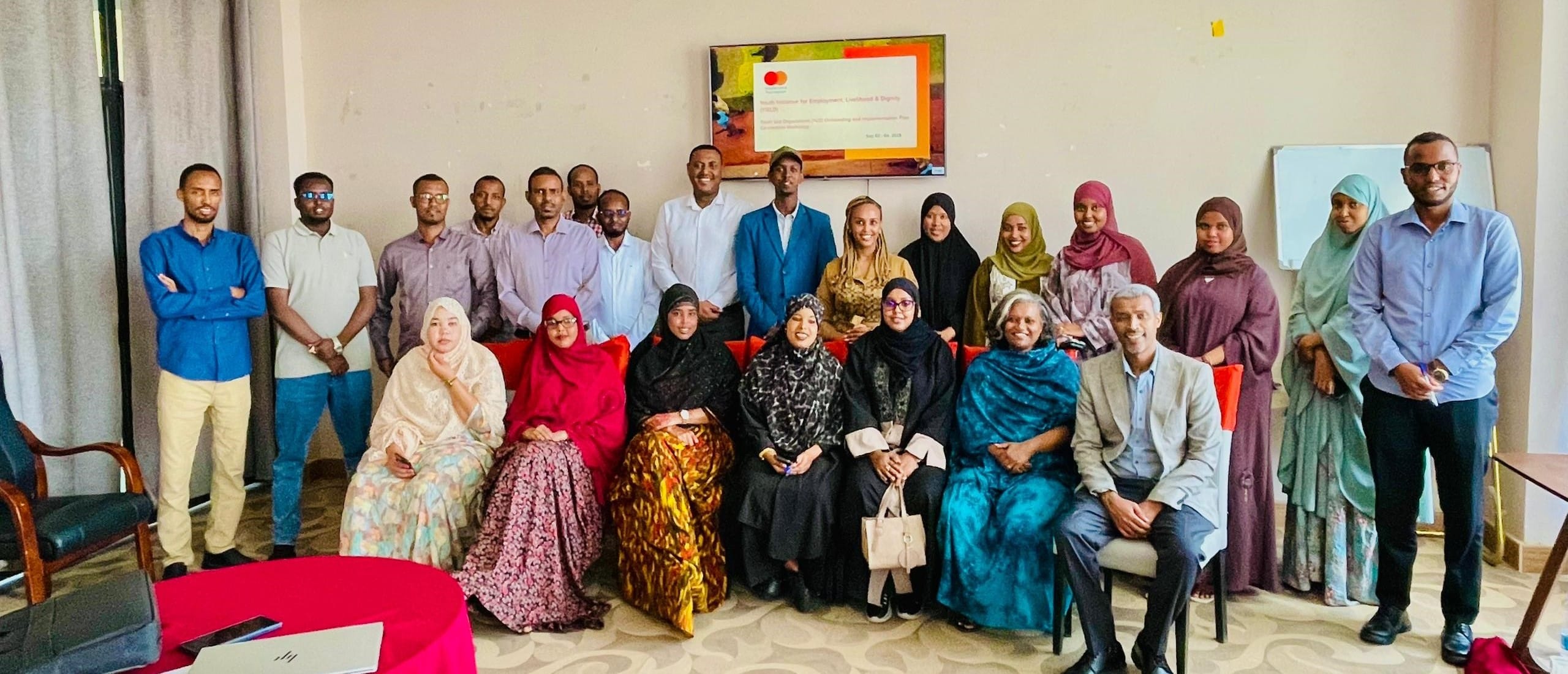
CAAP implements YIELD in collaboration with:
Program Manager / Focal Person: Ahmed Mohamed Tahir
Email: program.manager@caapeth.org Tel: +251 91 505 1043
Organization Address: JigJiga, Somali Region, Ethiopia
Website: https://caapeth.org
Social Media: Facebook | Twitter | LinkedIn
Learn More:
🌱 Access CAAP’s Food Security & Livelihoods portfolio:
https://caapeth.org/food-security-and-livelihoods/
Send us a message