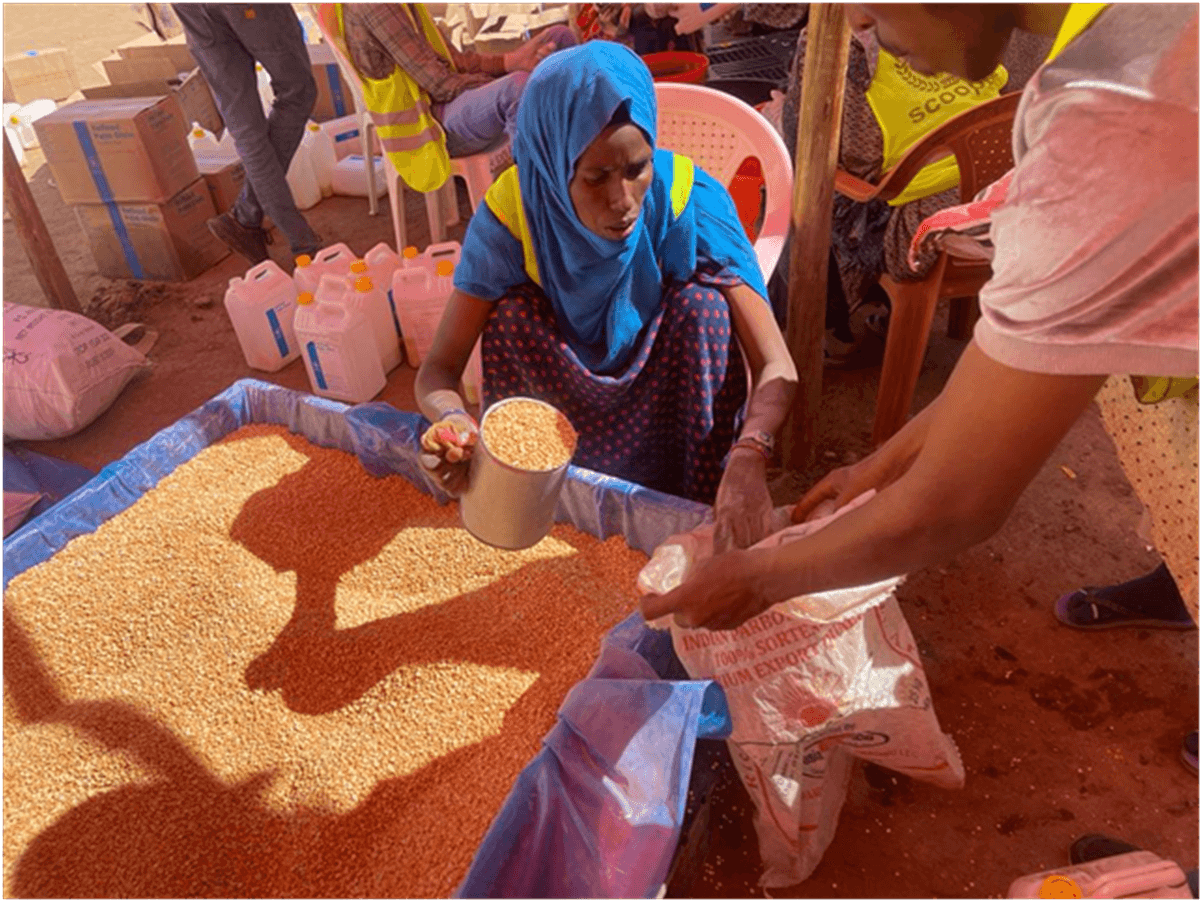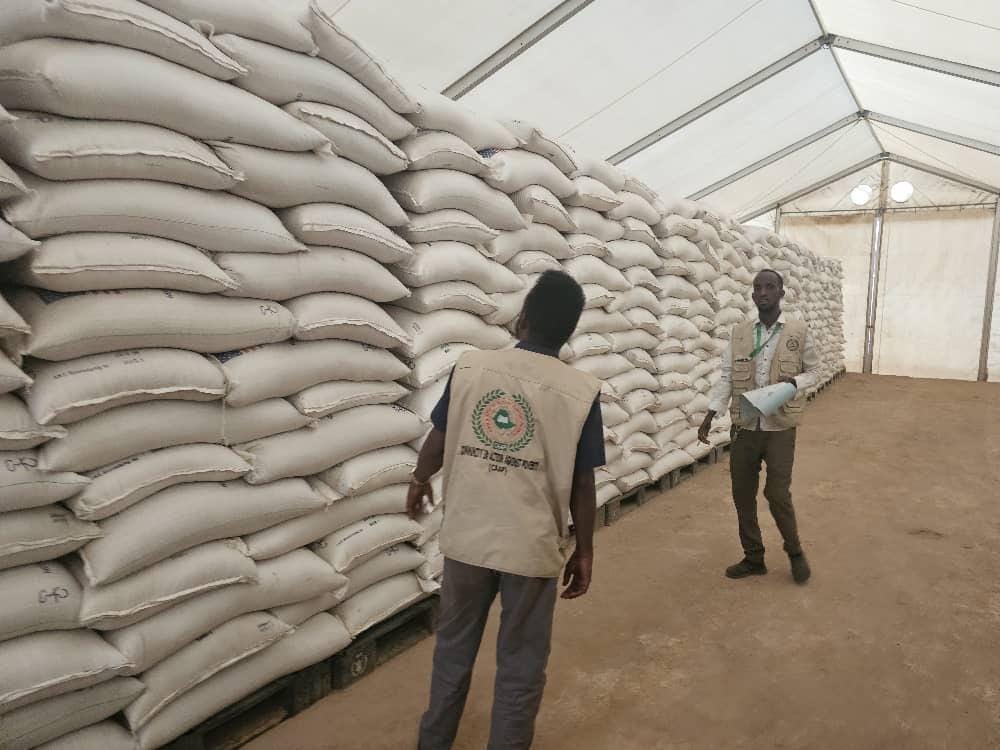
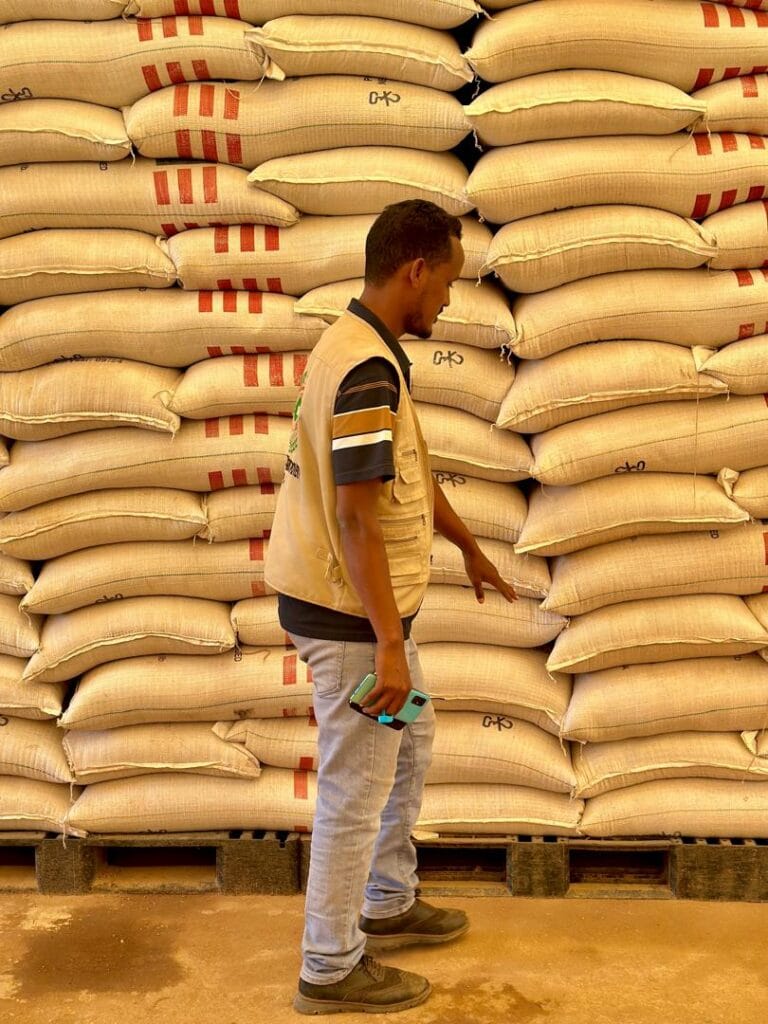
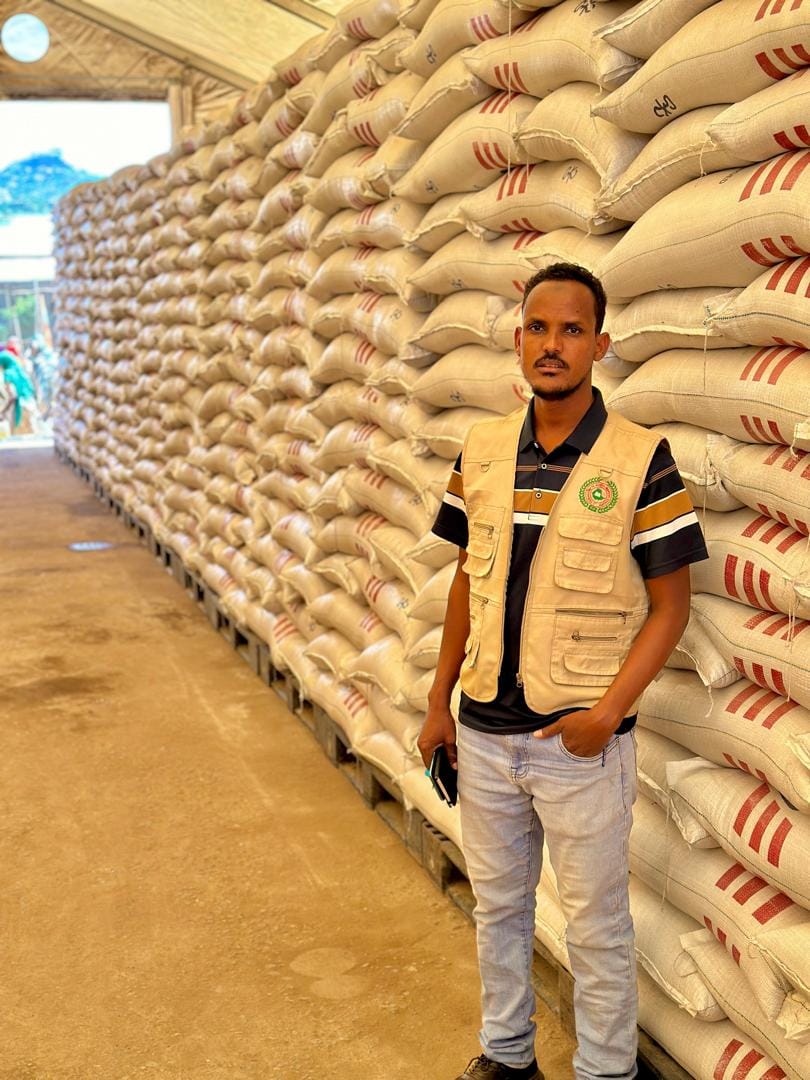
General Food Assistance (General Food Distribution, Cash Based Transfers and Biometric Registration).

Sitti, Fafen and Afder Zones -Somali Region – Ethiopia

Program Overview

Program Goal
To improve the food security and nutrition of people of concern through General Food Distribution modality, Capacity Strengthening and Biometric Registration

location:-

Sitti, Fafen and Afder Zones Somali Region, Ethiopia

Total woredas:-

22 woredas

Duration:-

1 August 2023 – 31 December 2025

Donor :-

World Food Programme

Target :-

491,727 Beneficiaries

Reached :-

386,751 beneficiaries, (51% Women; 49% Men)

Total Food Distributed:-

38,600 metric tons

Total Budget:-

USD 3,470,579.30

Thematic Area:-

Food Security and Livelihoods

Achievements / Results

  1. Community-Based Targeting and Digital Registration:
    • Successfully completed community-based targeting, digital registration, and digital distribution, enhancing efficiency and reducing errors.
  2. Community Feedback and Response Mechanisms:
    • Implemented effective Community Feedback and Response Mechanisms, allowing timely resolution of complaints and escalated issues.
  3. Distribution:
    • Distributed a total of 38,600 metric tons of food commodities to 386,751 beneficiaries, achieving 91% of the target.
  4. Food Aid Modality:
    • Combined in-kind food aid with a cash switch modality where feasible, offering beneficiaries flexibility and access to diverse food options.
  5. Digital Tools:
    • Utilized digital tools to streamline verification processes, reducing manual errors and ensuring accurate distribution.

Partners & Stakeholders

  • Somali Regional Disaster Risk Management Bureau

Impact

The General Food Assistance Project demonstrated enhanced assurance measures and controls, ensuring that food aid reaches the intended beneficiaries while preventing misuse and diversion. The project significantly improved food security and nutrition for its beneficiaries, particularly targeting vulnerable groups such as women-headed households and lactating mothers, with women representing 51% of the total beneficiaries.
Resources

See More photos

Contact Information