Building Resilience in Women and Girls to End Harmful Practices and Violence (BRAVE) in Harawa Woreda, Somali Region, Ethiopia

Fafen zone – Somali Region – Ethiopia

Program Overview

The BRAVE Project addresses violence and harmful traditional practices (mainly FGM and child/early marriage) against women and girls by challenging the underlying cultural and religious beliefs and practices that promote such behaviors. Implemented by CAAP with funding from the International Solidarity Foundation of Finland, the project promotes social norms change through awareness, capacity building, empowerment, advocacy, and collective community action.
Operating in Harawa Woreda, BRAVE supports over 29,600 direct and indirect beneficiaries, including women, girls, youth, community leaders, and religious elders — all working together to end Female Genital Mutilation (FGM) and related harmful norms.

location:-

Fafen Zone, Somali Region, Ethiopia

Woreda :-

Harawa

Duration:-

01 Jenuary 2024 – 31 December 2027

Donor:-

International Solidarity Foundation of Finland

Target Beneficiaries:-

8,130 Beneficiaries

Reached beneficiaries:-

4,715 Beneficiaries

Total Budget:-

USD 231,514.26

Thematic Area:-

Protection & Education

Goal:-

Reduction of FGM/C Prevalence in Harawa Woreda

Context / The Challenge

According to the 2016 EDHS, the prevalence of FGM/C among women aged 15 to 49 in the Somali region is 98.5% against the national average of 65.2%, the highest in the country.

A Problem and Objective Tree Analysis conducted by CAAP in Harawo Woreda, the community identified that FGM/C persists due to cultural norms, poverty, and social pressure, causing health risks, infertility, psychological trauma, and economic burdens. Solutions proposed include awareness campaigns, engaging religious leaders, enforcing laws, school-based interventions, and alternative livelihoods for circumcisers to eradicate the practice.  The project Baseline survey findings are:

  • Willingness to reject FGM/C: 30% stakeholders; 45% religious/traditional leaders; parents F37% / M33%.
  • Knowledge/attitudes to mitigate FGM: 49% religious/traditional leaders; parents F41% / M44%; youth F47% / M45%.
  • Early marriage prevention knowledge/attitudes (stronger): 65% religious/traditional leaders; parents F80% / M75%; youth F73% / M72%.
  • Duty bearers’ engagement perceived: F69.7% / M62.5%.
  • VAWG & Gender Norms Analysis (ISF Led): The VAWG analysis reveals entrenched patriarchal norms in the Somali region, where men dominate decision-making and women are confined to domestic roles, reinforcing gender inequality. Mothers and TBAs for cultural, religious, and economic reasons often promote high prevalence of FGM/C. Child marriage persists, driven by poverty, drought, and social pressure. Domestic violence (physical/sexual/psychological) is normalized and exacerbated by economic stress and substance abuse. Non-partner sexual violence, including rape and harassment, is rising in IDP settings.

Our Approach / The Solution and Key Interventions

The project reduces the FGM/C and child marriage through

  • Community capacity building, community mobilization for social and gender norms changes, awareness-raising, and advocacy to contribute to the abandonment of FGM/C in the community. What makes this project a locally owned project is its extensive range of community-level activities and its multi-faceted approach to changing FGM/C knowledge and behavior.
  • Generation dialogues, empowering women and communities to advocate against FGM/C, involving influential religious and traditional leaders, and creating networks of anti-FGM/C groups from the grassroots to the regional level are just some of the activities that will contribute to its success, local ownership, and sustainability. 
  • Empowering girls and women to voice out their rights, and change a marriage, empower cutters and parents with knowledge on adverse health effects of FGM and related laws to commit abandonment of FGM, and strengthen existing community systems through innovative capacity building approaches and advocacy forums, then it would reduce the new cases of FGM/C.  
  • Women & Girls Friendly Spaces (WGFS): Safe spaces for dialogue, learning, and psychosocial support.
  • Women and Girls Support groups: Structured dialogue sessions facilitated by mentors and participants share their experiences
  • School Clubs & Youth Engagement: Empowering students through debate, art, and campaigns against FGM.
  • Role Model Program: Mobilizing respected male and female role models to champion gender equality.
  • Parent & Community Dialogues: Encouraging intergenerational discussions on ending FGM and early marriage.
  • Men and Boys Engagement: Engage men and boys through targeted awareness sessions promoting positive masculinity and gender-sensitive parenting
  • Training & Capacity Building: Equipping local women’s groups, teachers, and health workers to sustain advocacy.
  • Media & Outreach: Using community radio, storytelling, and Somali proverbs to inspire positive change.
  • Referral Pathways and Coordination: Develop and disseminate GBV referral pathways for all target sites to improve coordination among health, psychosocial, legal, and protection services. Conduct capacity-building training for police, judicial officers, and service providers on GBV laws and survivor-centered approaches. Facilitate multisectoral coordination among GBV partners to increase collaboration to end FGM and Child Marriage

Results / Achievements / Impact (as of 2025)

  •  4,715 + community members reached through awareness campaigns.
  • Supported 7 Women and Girls Support Groups with 35 trained mentors, reaching 791 women and girls
  • 20 Girls’ Champions and FGM/C survivors trained and engaged as role models and advocates against FGM/C
  • 5 school clubs (4 girls’ clubs, one boys’ club), engaging 100 members (80 girls and 20 boys, equipped with training, mini-media equipment, and mentoring support, guided by 25 trained mentors who are motivated with in-kind incentives.
  • Integrated anti-FGM/GBV messaging with education campaigns, also distributed education supplies for outstanding students, promoting girls’ retention and positive role models at school
  • Facilitated Generation Dialogues in two kebeles with 400 participants (200 M and 200 F)
  • 10 CAAP staff, 8F, participated in various training courses, including in ISF Financial and Procurement Policies, RBM, Gender-Transformative Programming, & Generation Dialogue. One staff member may attend multiple training courses
  • 400 (288F, 112M) community and government staff attended training sessions
  • Service Mapping and Referral Pathways are updated quarterly to improve access to survivor support services
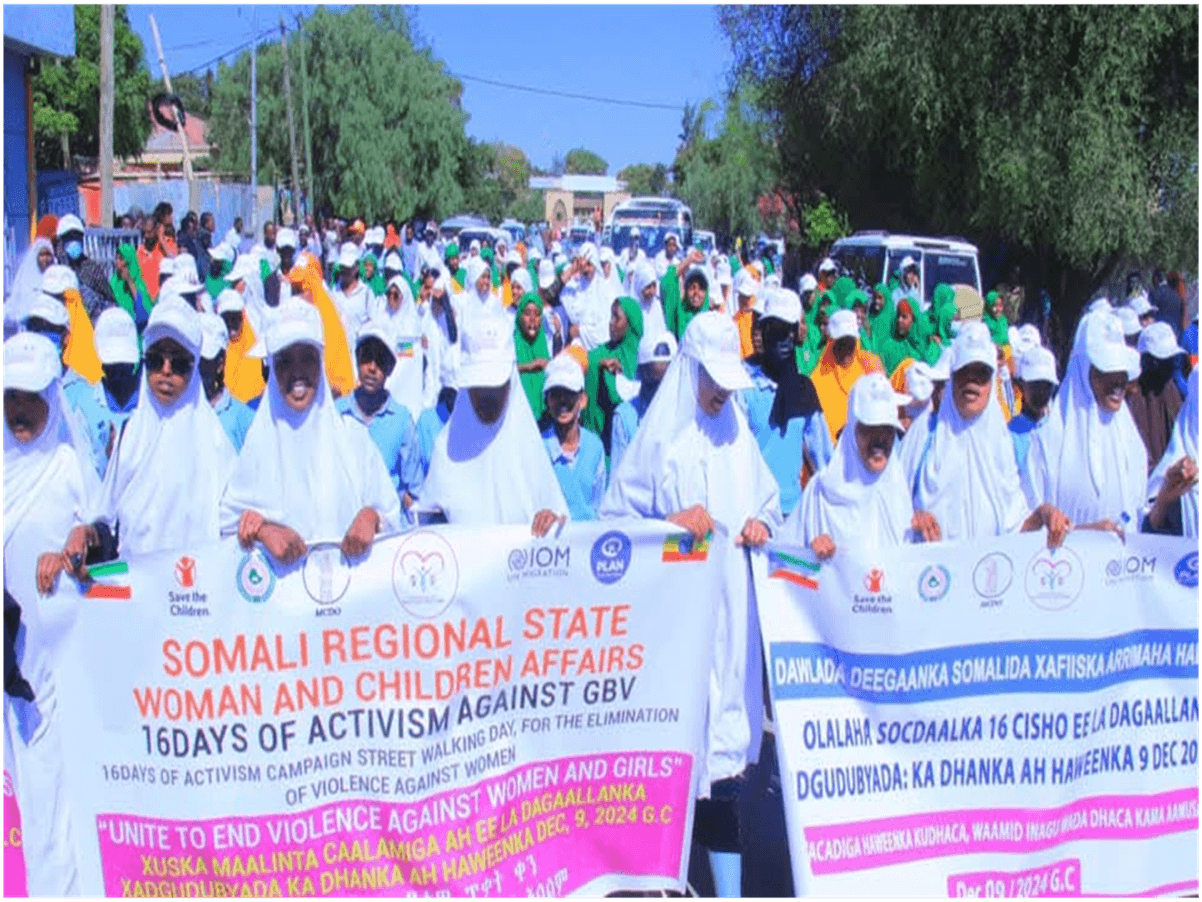
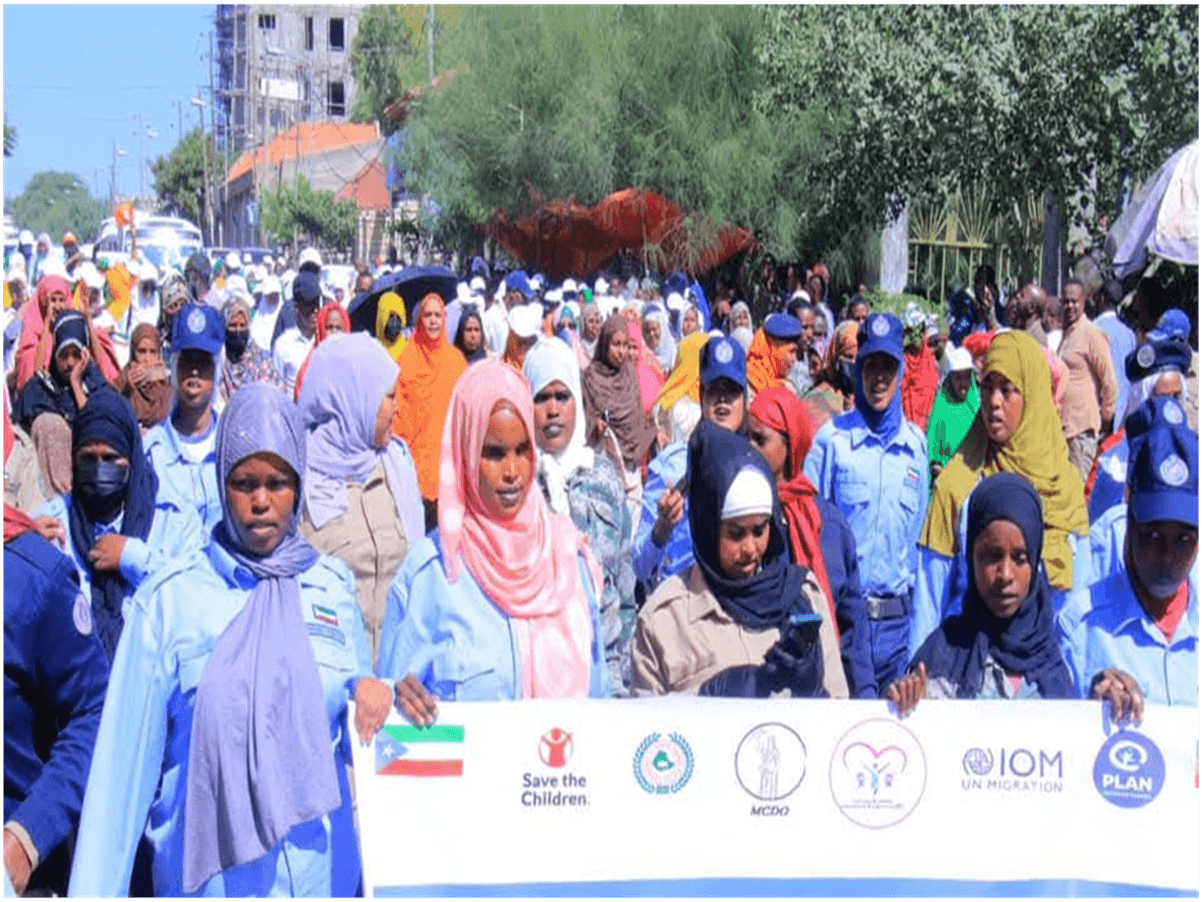
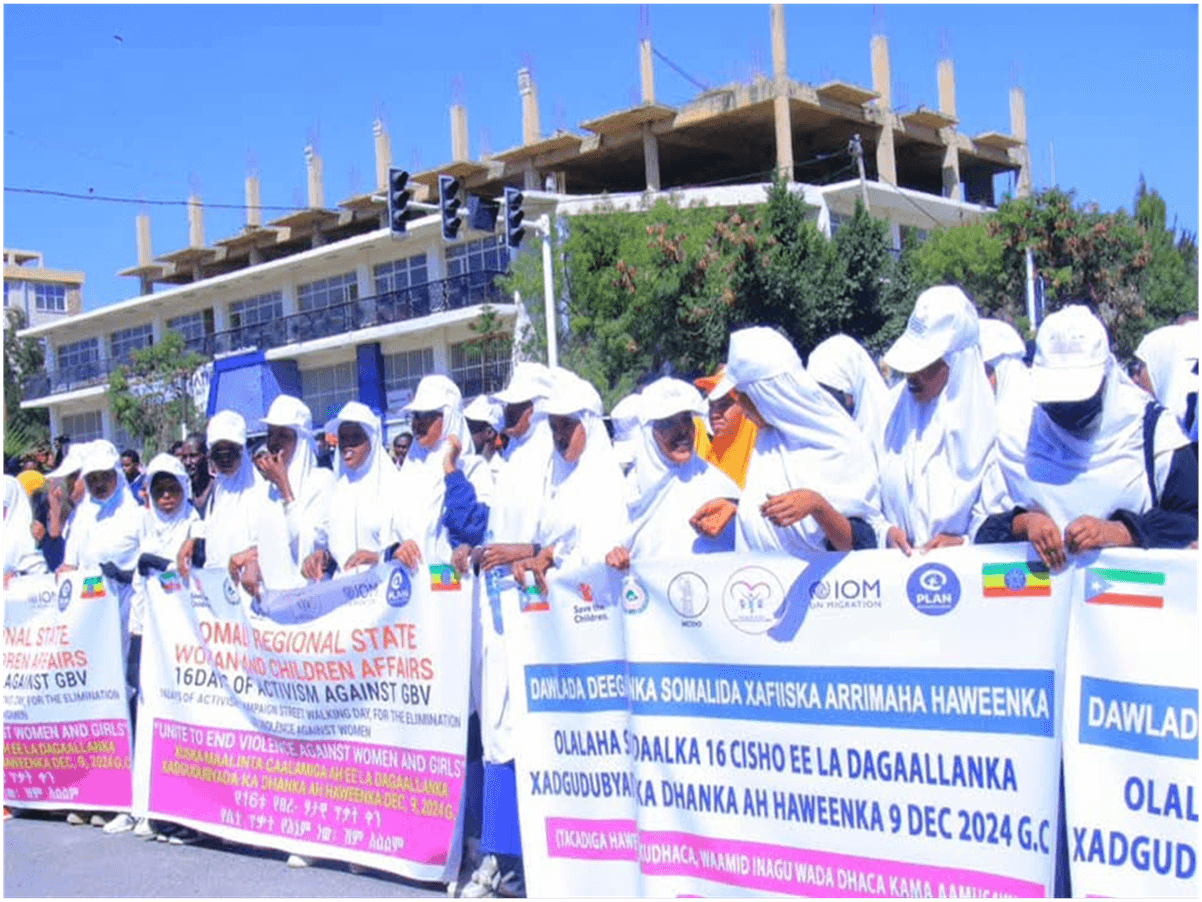
  • IEC materials, cultural dramas, and public dialogues were disseminated during Zero Tolerance Day, March 8, and the 16 Days of Activism.
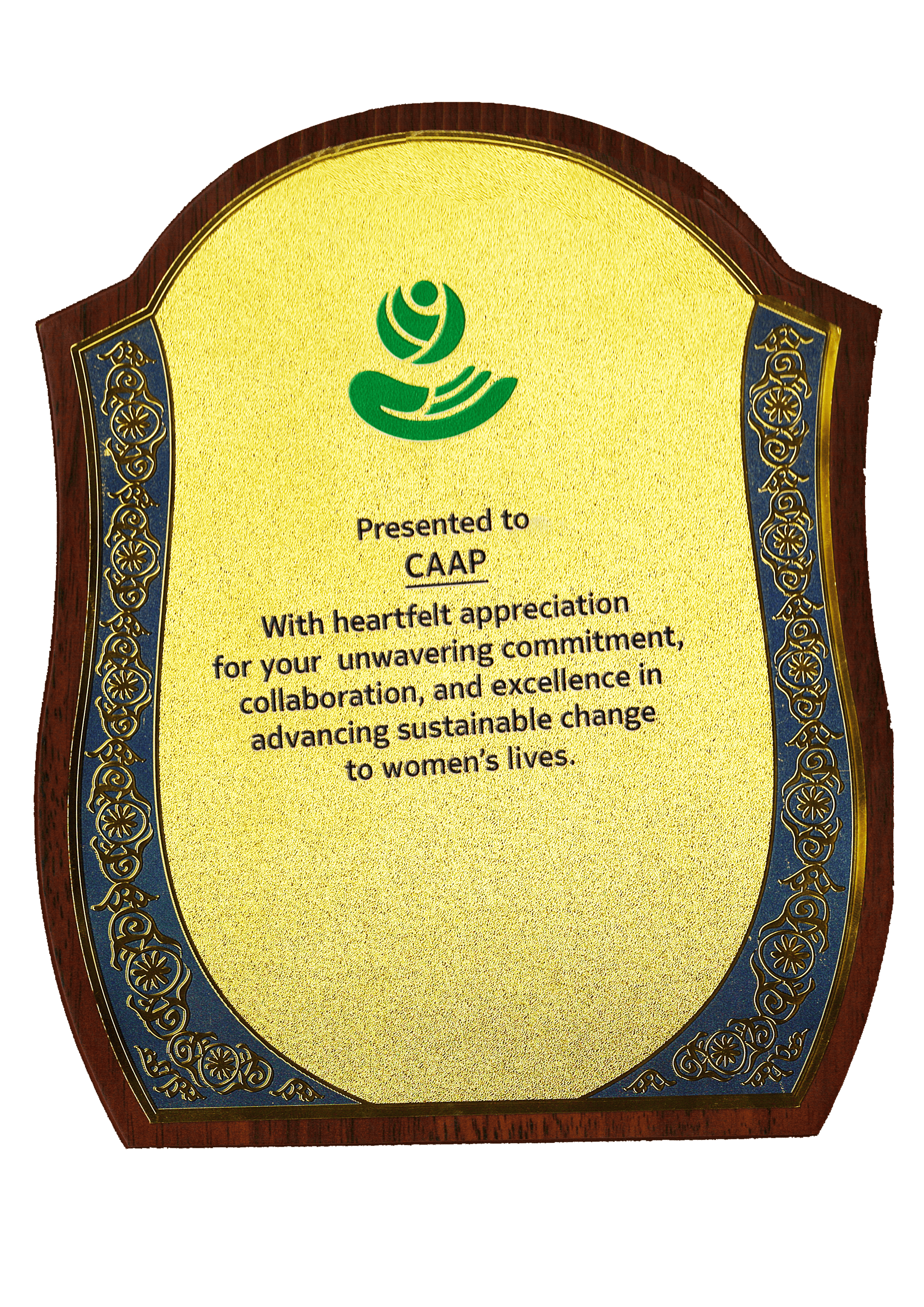
  • Collaborated with the Regional FGM/ECM Alliance, BoWCA, and GBV Sub-cluster to mark Zero Tolerance Day, March 8, and 16 Days of Activism; BoWCA awarded CAAP recognition certificates for outstanding contribution.

Partners & Stakeholders

The BRAVE Project is implemented by CAAP in collaboration with:

  • International Solidarity Foundation (ISF) – Funding Partner
  • SRS Bureau of Women and Children Affairs (BoWCA) – Regional Government Partner
  • SRS Bureau of Finance (BoF) – Regional Government Partner
  • Women and Children affairs and Education office – Woreda Level Partners
  • Community & Religious Leaders – Grassroots Advocacy Partners
  • Women and Girls Support Groups – Grassroots Advocacy Partners
  • Youth and School Networks – Grassroots Partners

Sustainability Strategy

BRAVE strengthens local institutions and community structures to sustain progress beyond 2027. Women’s groups are linked to regional government programs, while role models continue advocacy through community-based networks. By embedding gender equality into social norms and local bylaws, the project ensures that gains are owned, led, and protected by the community itself.
Resources

See More photos

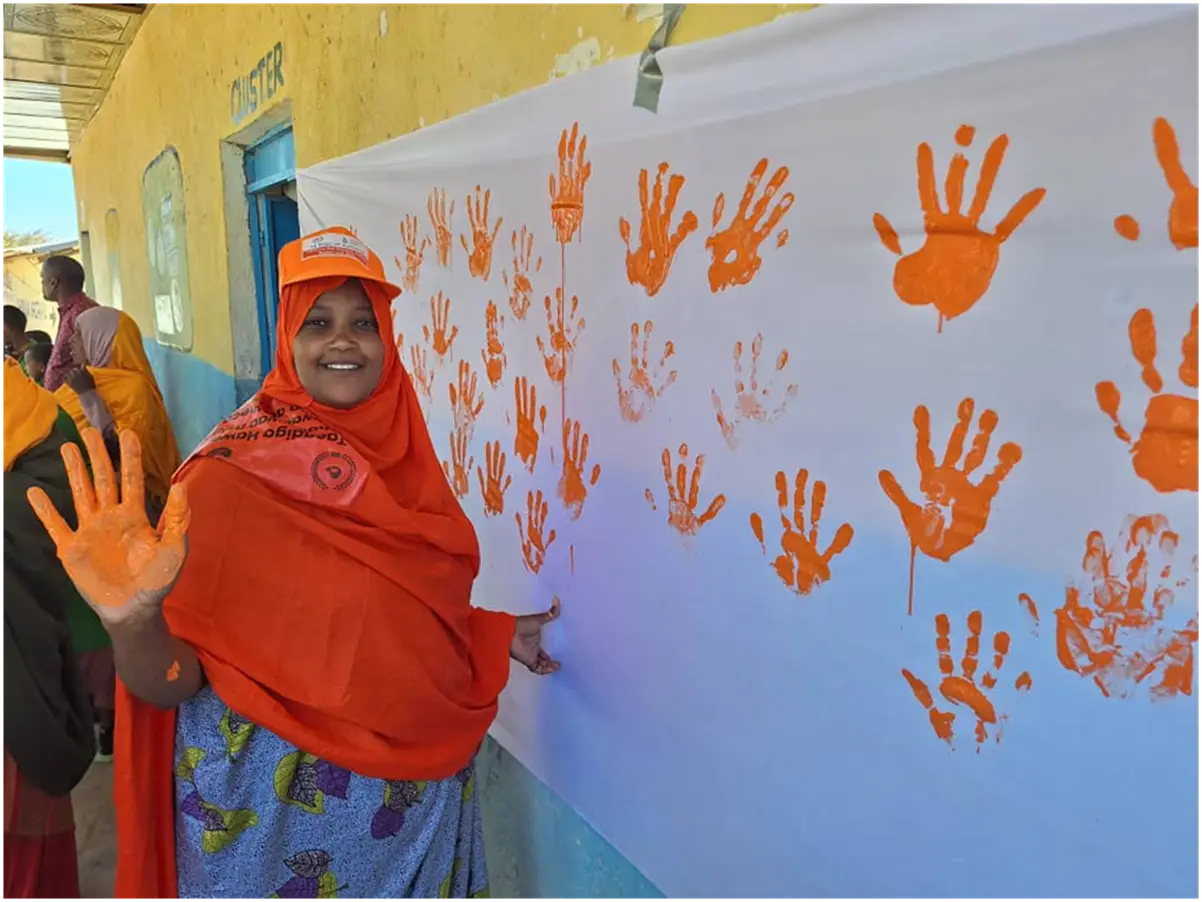
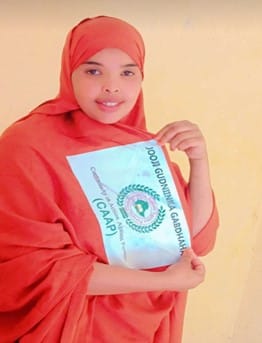
Hodan Abdirahman, a Health Extension Worker in Sararka Cadada, Harawo Woreda, mentors the Women and Girls Support Group. Once met with resistance, she now leads open dialogues on FGM and women’s rights—empowering women and girls to advocate for their well-being and inspiring community transformation.

 Donor / Partner Acknowledgment

For more about the program, refer to this link https://solidaarisuus.fi/en/partners/community-action-against-poverty-caap/
See Videos

Contact Information