Our Partners And Donors

Thanks for our partners and Donors

Government

Thanks our partiner and DCAAP works in close collaboration with national, regional, zonal, and woreda governments, aligning all interventions with established policies and frameworks. By partnering with entities such as the Disaster Risk Management Bureau, Women and Children Affairs Bureau, Finance Bureau, Health Bureau, and the Regional Islamic Affairs Supreme Council, CAAP integrates its programming into existing structures for long-term sustainability and policy coherence.onnors

Non Governmental Organisations

Strategic partnerships with both national and international NGOs enable CAAP to share resources, best practices, and expertise. An example is CAAP’s agreement with Organization for Women in Self-Employment (WISE) -Meleket Training Service in Addis Ababa, which leads a capacity-building initiative for 14 government and CSO representatives in JigJiga, and 60 women in Jeane Kebele.

Un Agencies

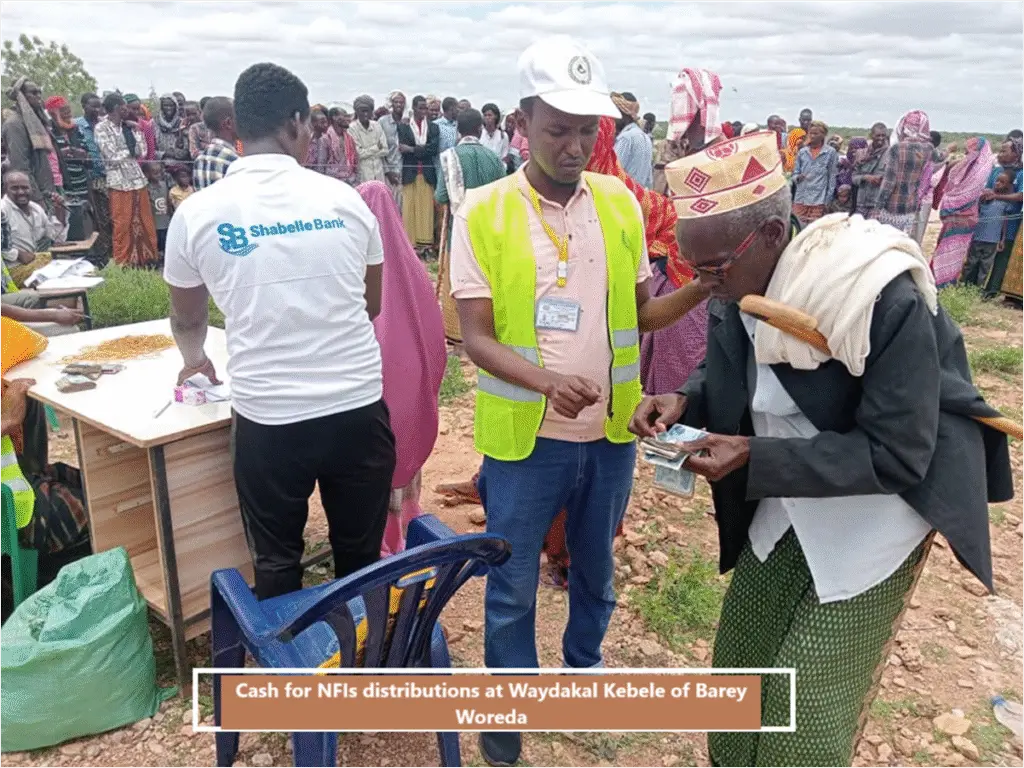
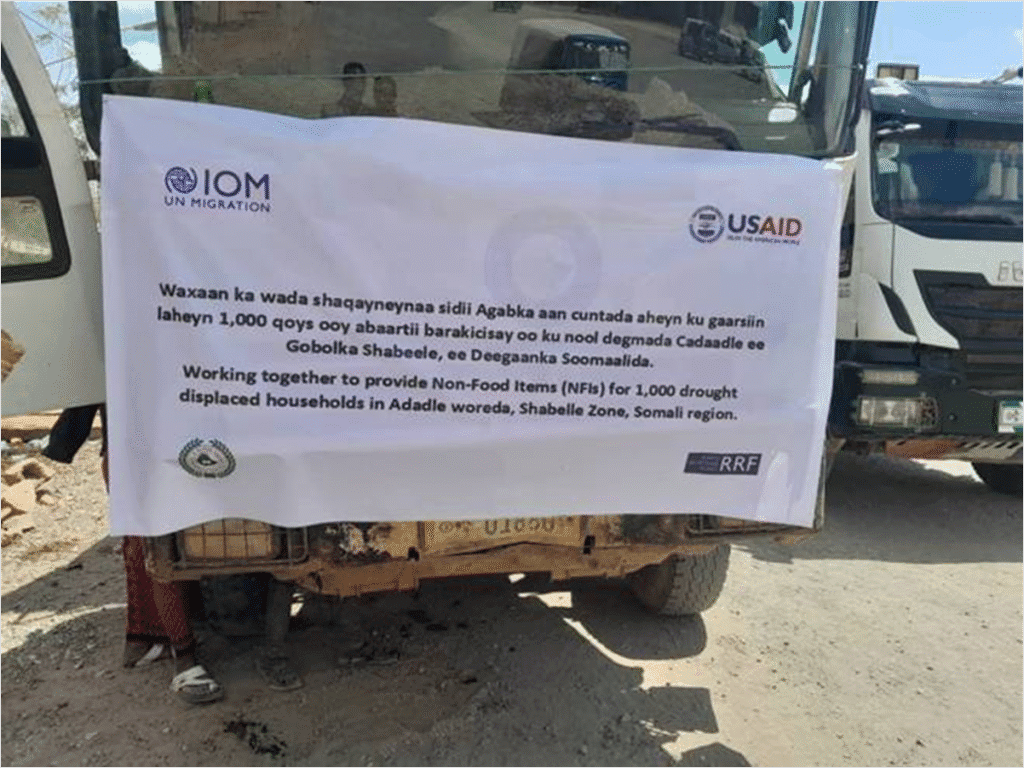
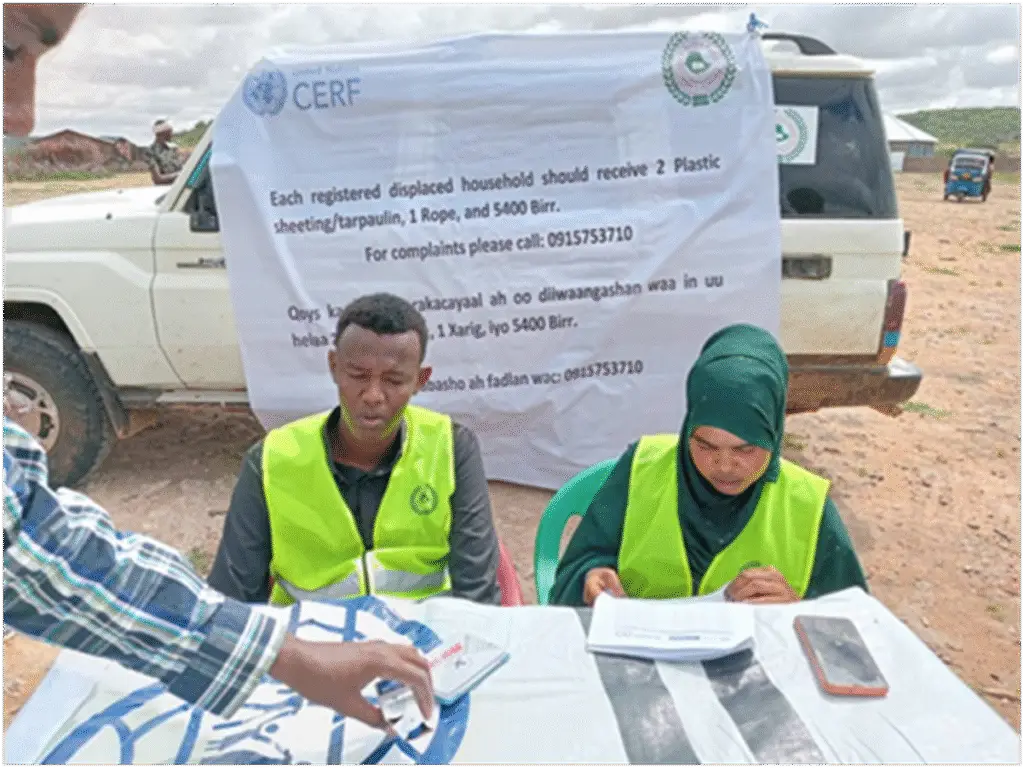
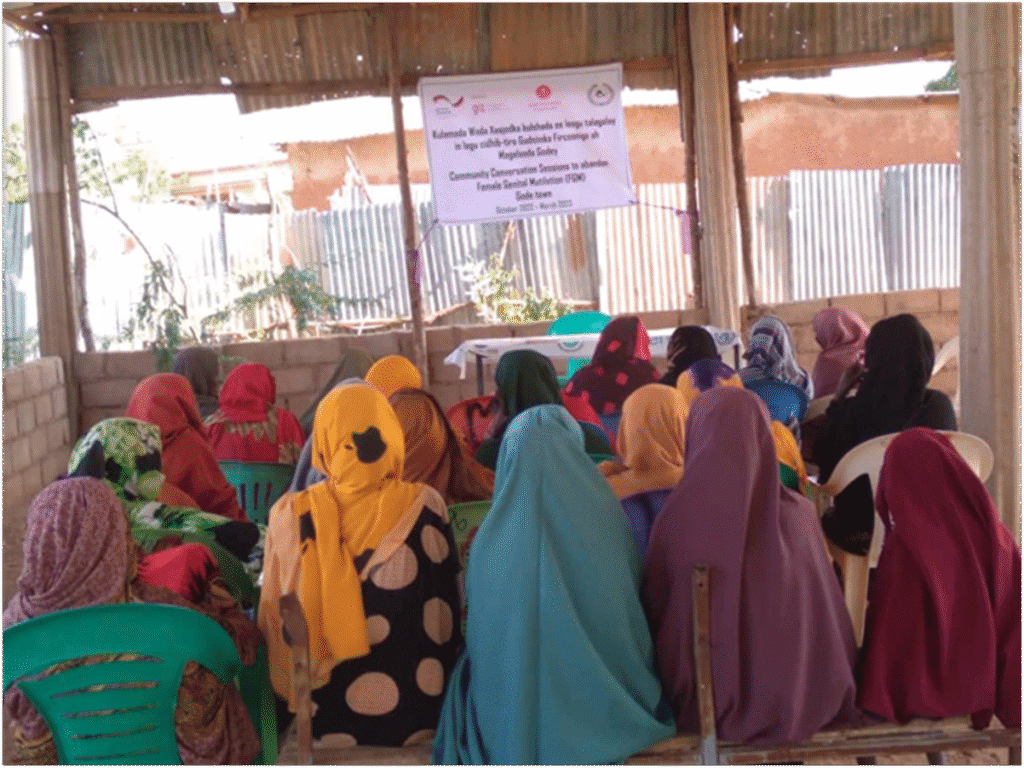
CAAP collaborates with a range of international partners to deliver effective, evidence-based interventions.World Food Programme (WFP): Funds General Food Distribution (GFD) and third-party monitoring projects, implemented by CAAP providing monitoring as well as life-saving food and cash support. Girl Effect: Strengthens demand-generation for HPV and Routine Immunization (RI) through localized, culturally relevant community-based strategies. GIZ and ISF: Focus on FGM prevention. Australian Government (Embassy in Ethiopia): Supported Integrated Landscape Management (ILM), capacity building, NRM rehabilitation, and women’s empowerment initiatives. UN Women: Funds small grants for institutional capacity strengthening in peacebuilding, conflict resolution, and the WPS Agenda, as well as the Resilience and Institutional Support to Empower Women (RISE) Project in Shinile. IOM/RRFE: (USAID/BHA and CERF-funded) Partners with CAAP to implement critical humanitarian interventions in drought- and flood-affected areas, reaching over 12,000 households with shelter, NFIs, WASH, and CCCM support.

Community based Organisations

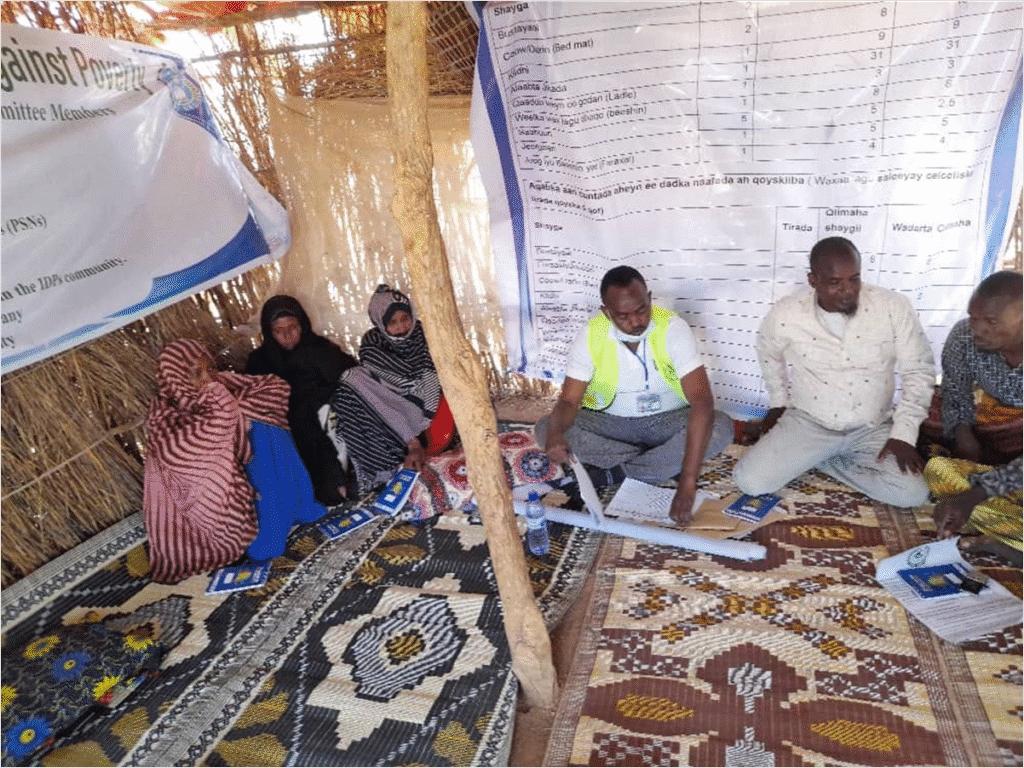
Local CBOs possess invaluable grassroots knowledge of cultural practices and community priorities. CAAP collaborates with school clubs, community committees (NRM, Health, WASH, PTA), women’s groups, youth associations, and religious leaders to foster community ownership, build trust, and ensure initiatives are culturally relevant and sustainable.

Clusters

Active participation in clusters, alliances, and coordination forums ensures CAAP’s activities are integrated, well-coordinated, and transparent.Cluster Leadership Co-leads the Somali Subnational Emergency Shelter and NFIs Cluster. Somali Region FGM and Early Child Marriage Alliance: Works collectively to end harmful practices. Memberships: Contributes to WASH technical working groups, Nutrition Sensitive Agriculture Forums, and other sector-specific forums.

Academia

CAAP collaborates with universities and research centers to pursue evidence-based solutions, conduct rigorous data analysis, and pilot innovative approaches. These partnerships inform policy reforms, track program impact, and drive continuous learning.

High-level Supporters

Thanks our partiner and DCAAP works in close collaboration with national, regional, zonal, and woreda governments, aligning all interventions with established policies and frameworks. By partnering with entities such as the Disaster Risk Management Bureau, Women and Children Affairs Bureau, Finance Bureau, Health Bureau, and the Regional Islamic Affairs Supreme Council, CAAP integrates its programming into existing structures for long-term sustainability and policy coherence.onnors

Private sectors

Engaging businesses and corporate partners introduce market-based solutions, enhance resource mobilization, and promote technology transfer. By building local value chains, CAAP strengthens community economic resilience and fosters long-term sustainability.